There’s no “right time” to start a postpartum workout. Every pregnancy and recovery is different, and what works for one mum might not work for another. Trust me, I’ve been there twice! With my first, it took me a lot longer to feel ready. I dabbled in some home workouts, but between figuring out how to keep a newborn alive and feeling like my body wasn’t my own, I struggled to get into a routine. With my second, I threw myself into it much sooner, partly because I had a toddler running around and needed the energy just to keep up. Wherever you are in your postpartum journey, these tips will help you approach exercise in a way that’s safe, effective, and most importantly, kind to your body.
Why Postpartum Workouts Are Important
Postpartum workouts aren’t about getting your body back because, spoiler alert, your body never went anywhere! They’re about rebuilding strength, improving energy, and supporting your mental well-being. Having some dedicated me time with a fitness tracker to log steps or progress can make a huge difference in staying motivated. The goal isn’t perfection. It’s about meeting your body where it is and gradually rebuilding your strength while juggling the chaos of mum life.
What to Avoid in Postpartum Workouts
Before diving into what you should do, let’s chat about what to avoid. This is especially important if, like me, you’ve dealt with diastasis recti, that pesky separation of abdominal muscles.
1. High-impact exercises too soon: Running, jumping, or star jumps can put unnecessary strain on your pelvic floor, which might still be healing. The hormone relaxin, which loosens joints and ligaments during pregnancy, can remain elevated for months, making high-impact moves risky.
2. Crunches and sit-ups: These can worsen diastasis recti or strain your core. Focusing on gentle rehab exercises, such as using resistance bands for low-impact movements, is a better starting point.
3. Holding your breath: This increases intra-abdominal pressure, which can stress your pelvic floor and core. Controlled breathing is your best friend here.
4. Ignoring warning signs: Pain, leaking, or feelings of heaviness are signs to ease up and consult a healthcare provider or postpartum fitness specialist.
Tips for Postpartum Workouts
1. Get medical clearance first: Always check in with your doctor or midwife before starting any exercise.
2. Start slow and steady: Even a gentle walk with the pram counts as movement that benefits your recovery.
3. Focus on core and pelvic floor recovery: Pelvic tilts, bridges, and diaphragmatic breathing are great exercises to reconnect with your body.
4. Incorporate home workouts: With my first, I loved following postpartum-friendly YouTube videos. Adding simple tools like a yoga mat can make these sessions even more comfortable and practical.
5. Invest in mum-friendly workout options: Whether it’s a class or at-home gear like postpartum-friendly workout clothes, setting yourself up with supportive tools makes all the difference.
Fit Mummy Boot Camp: A Great Example
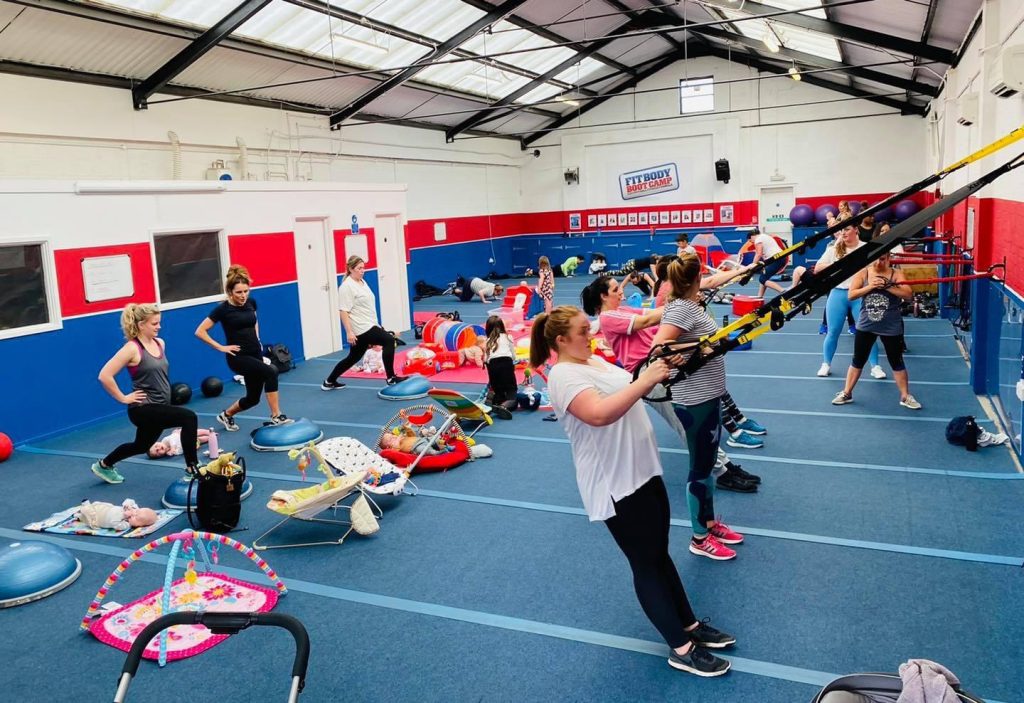
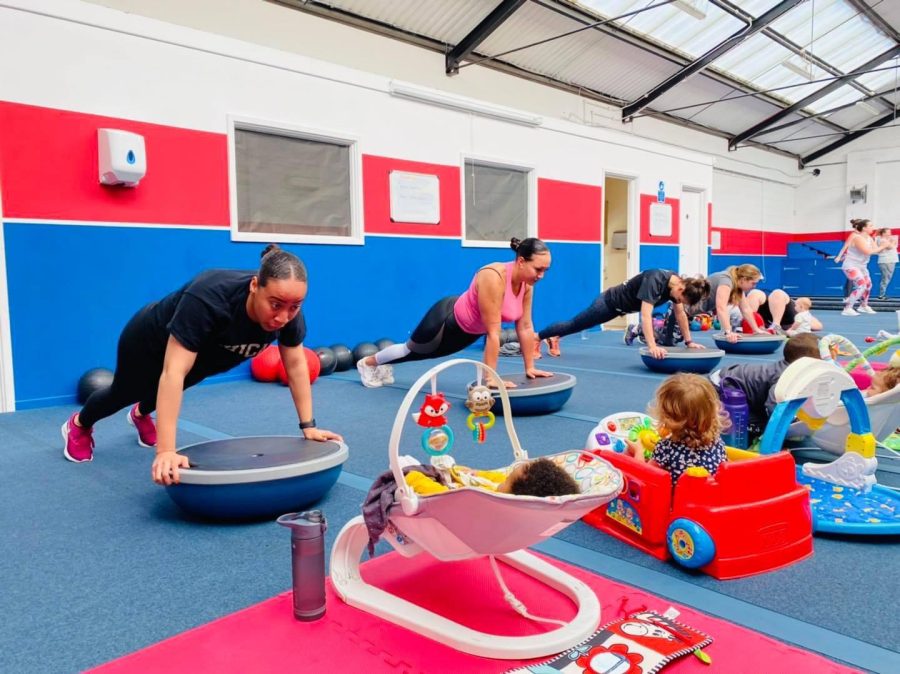
One of the best things I discovered after having my second child was Fit Mummy Boot Camp. It’s not just a workout, it’s a lifeline. The setup is brilliant. Babies and toddlers play safely in the middle while mums work out around them under the guidance of Helen, a trainer who specialises in postpartum fitness.
Helen’s classes are tailored to ensure exercises are safe for mums at all stages of recovery. While Fit Mummy Boot Camp is based in Milton Keynes, it serves as an excellent example of what to look for in a postpartum workout class. If you’re not local, search for similar classes near you that allow you to bring your little one along while focusing on your own health and strength.
Staying Motivated
1. Set small goals: Even committing to a ten-minute walk or a few stretches can be a win worth celebrating.
2. Find a supportive community: Joining mum-focused groups, like Fit Mummy Boot Camp, can make exercising feel less daunting and more fun.
3. Track your progress: Using a fitness journal to log your workouts and milestones can help you stay motivated and see how far you’ve come.
4. Be kind to yourself: Some days, exercise might just mean chasing your toddler or carrying a baby who refuses to nap. It all counts.
5. Remember nutrition is important alongside your workout routine, a scale with a nutrition calculator can be useful to track your daily meals and snacks.
Final Thoughts
Postpartum workouts are about reconnecting with your body in a way that feels empowering, not punishing. Whether you’re easing into home workouts with the help of resistance bands or a yoga mat, or exploring mum-friendly options like Fit Mummy Boot Camp, the focus should always be on what works best for you.
Your postpartum journey is uniquely yours. Celebrate the small wins, listen to your body, and take it one step at a time.