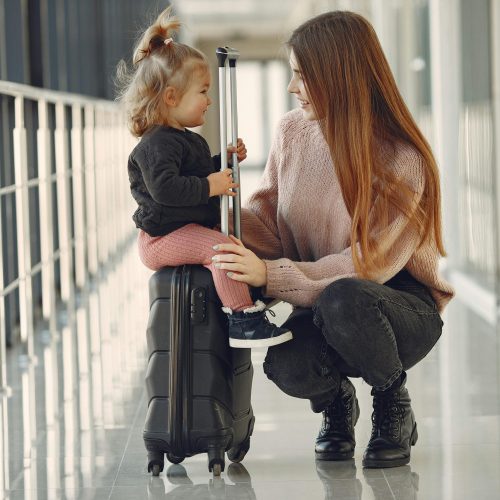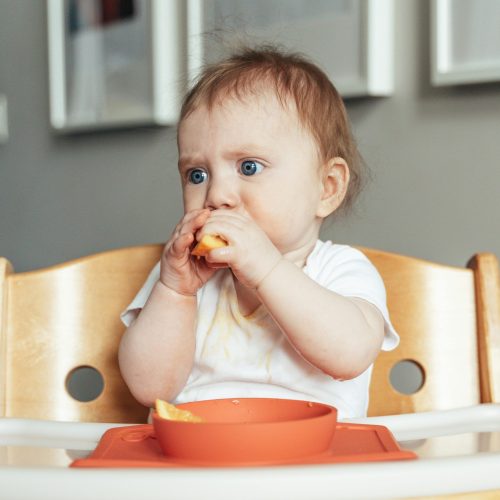

The toddler stage is here, and with it comes a whirlwind of curiosity, energy, and big feelings. At this age, children are learning about themselves and their surroundings, testing boundaries, and asserting independence in the most delightful (and sometimes chaotic) ways.
Playtime becomes more purposeful as toddlers take on new challenges, explore early imaginative play, and begin to understand routines. From my experience working with children at this stage, I’ve seen how the right toys and resources can make all the difference, not just in encouraging play but in creating smoother daily routines and supporting behavioral growth.
What to Look for in Toys
Toddlers are natural explorers, and the best toys and resources nurture their physical, social, and emotional development. This is also a great age to introduce tools that help establish routines and provide gentle structure to their day.
Here’s what works best:
Movement and Gross Motor Toys: Toys like climbing sets or ride on toys, such as this balance bike, encourage active play and physical development.
Early Imaginative Play: Simple play kitchens or tool sets, like this wooden play kitchen, allow toddlers to start mimicking everyday life in their own creative way.
Cause and Effect Toys: Options like stacking toys or shape sorters, such as this activity cube, support problem solving and fine motor skills.
Behavioral Resources: Routine charts or visual timers, like this magnetic routine board, can make transitions smoother while fostering a sense of independence.
Versatile and Long Lasting Options: Indoor climbing frames, such as this toddler climber and slide set, provide ongoing opportunities for exploration and physical growth.
Top Toys and Resources for Children Ages 1 to 2
1. Climbing Frames and Active Play Equipment
Toddlers are full of energy, and climbing frames like this toddler climber and slide set are perfect for burning it off safely. These structures encourage balance and coordination while giving little ones a safe space to test their climbing skills. Watching toddlers tackle a climbing frame is like seeing a mini adventurer in action, tentative at first, but brimming with pride by the end.
2. Ride On Toys and Balance Bikes
A ride on toy or balance bike, like this lightweight balance bike, can provide hours of fun while supporting gross motor development. Whether they’re zooming across the room or testing their balancing skills, these toys channel their boundless energy into a healthy outlet. From my professional observations, balance bikes often become a staple for families, growing with toddlers as they gain confidence and independence.
3. Play Kitchens and Early Imaginative Play Toys
At this age, toddlers love imitating everyday life, and a wooden play kitchen, like this one, offers endless opportunities for pretend play. They might “cook” dinner, stir imaginary tea, or create their own version of breakfast. Early imaginative play not only sparks creativity but also encourages language development as toddlers narrate their actions.
4. Routine Charts and Visual Timers
Establishing routines can be a game changer at this age, and tools like this magnetic routine chart provide a visual way for toddlers to navigate their day. From getting dressed to bedtime, these charts help toddlers feel more in control while reducing power struggles. Think of it as giving them their very own “daily planner”,minus the meetings.
5. Activity Cubes and Interactive Toys
Multi functional toys like this activity cube provide endless engagement with options for sorting, spinning, and stacking. These toys grow with your toddler, supporting fine motor skills, problem solving, and independent play. Plus, they’re perfect for keeping little hands busy while you enjoy a (hopefully hot) cup of coffee.
How to Play with Your 1 to 2 Year Old
At this stage, play is a mix of guided interaction and independent discovery. Here are a few ideas to keep your toddler engaged and learning:
Encourage Movement: Set up a climbing frame or use ride on toys to keep them active. Celebrate their attempts and let them take the lead in exploring new challenges.
Introduce Simple Pretend Play: Play alongside your toddler with a toy kitchen or toolset, showing them how to “cook” or “fix” something. These moments not only inspire creativity but also strengthen your connection.
Use Visual Aids: Incorporate a routine chart during key transitions like mealtime or bedtime. Narrating the steps as you go helps toddlers understand what’s coming next.
Problem Solving Play: Offer toys like stacking rings or activity cubes and watch as your toddler experiments to figure them out. Celebrate their efforts, whether they “succeed” or not.
Final Thoughts
The 1 to 2 year stage is full of curiosity, determination, and rapid development. The right toys and resources can do more than entertain they can support routines, nurture creativity, and help toddlers develop essential skills.
While this age comes with its fair share of chaos (and maybe a few toddler tantrums), it’s also full of magical moments like the joy on their face when they finally stack that tower or “serve” you a cup of imaginary tea. As chaotic as this stage can be, it’s filled with moments that remind you just how exciting it is to watch your toddler’s world expand, one discovery at a time.