
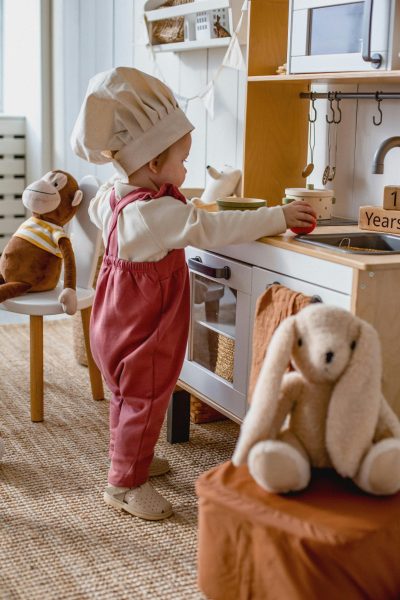
Play is the language of childhood. It’s how children explore the world, make sense of their experiences, and develop critical skills that set the foundation for their future. From stacking blocks to pretending they’re a doctor, play is much more than just fun, it’s essential.
Having spent years working with children as a nursery manager, I’ve seen firsthand how play fosters growth in every area of development: cognitive, social, emotional, and physical. This article dives into why play matters, the different types of play, and how you can support your child’s development with the right tools and opportunities.
Theories of child development have long emphasized the role of play in learning and growth. Influential theorists like Piaget and Vygotsky highlighted how play supports problem, solving, creativity, and social interaction.
Why is play so vital
- Cognitive Growth: Through play, children learn to think critically, solve problems, and experiment with cause and effect.
- Social Development: Playing with others teaches cooperation, turn,taking, and conflict resolution.
- Emotional Regulation: Pretend play helps children process emotions and develop empathy.
- Physical Skills: Active play builds gross motor skills, while activities like stacking blocks or threading beads refine fine motor skills.
The Types of Play
Children engage in different types of play as they grow, each with unique benefits:
1. Imaginative Play
Dress up sets, pretend kitchens, or role, playing with dolls are classic examples of imaginative play. These activities help boost creativity, language skills, and emotional expression. A wooden play kitchen, like this one, is perfect for inspiring hours of pretend play.
2. Physical Play
Running, climbing, or riding a scooter are fantastic ways to engage in physical play. These activities not only build strength and coordination but also let kids burn off energy in a healthy way. A lightweight kids’ scooter, like this one, is a great option for active toddlers.
3. Constructive Play
Building with blocks, magnetic tiles, or Duplo encourages problem solving and patience. Magnetic tiles, such as this sturdy set, are especially engaging for children who love experimenting with structures.
4. Social Play
Board games and group activities encourage teamwork and communication. For example, a cooperative board game, like this one, helps children learn to work together while having fun.
5. Independent Play
Activities like puzzles or solo imaginative play build focus and self reliance. A beginner puzzle set, such as this one, is ideal for keeping little hands and minds busy.
How to Encourage Play
Here are some practical ways to make play a bigger part of your child’s day:
1. Create a Play,Friendly Environment
Designate a safe, accessible space for play with open, ended toys like blocks, puzzles, and dress,up items. A wobble board, like this versatile wooden one, can double as a bridge, slide, or balancing tool in their imaginative adventures.
2. Join In Occasionally
While independent play is essential, joining your child in their pretend adventures can strengthen your bond and give you insights into their world.
3. Let Them Lead
Allow children to take charge of their playtime. They learn best when they’re directing their own experiences.
4. Rotate Toys
To keep things fresh, rotate toys regularly. Rediscovering old favorites can spark new ideas.
A Note on Screen Time and Digital Play
While screens are part of modern life, balance is key. Screen,free storytelling devices, such as the Yoto or Toniebox, are excellent for fostering imagination without overstimulation. These devices introduce children to a world of stories and songs, perfect for quiet moments or independent exploration.
Final Thoughts
Play is more than just an activity,it’s a child’s way of exploring, learning, and growing. Whether they’re stacking blocks, dressing up as a pirate, or running laps on their scooter, every moment of play is helping to shape their development.
With the right toys and resources,whether it’s a balance bike, a pretend play set, or an engaging alphabet game,you can support their growth while celebrating the unique ways they play and learn. Because in a child’s world, a cardboard box can be a rocket ship, a castle, or the best fort ever made,proof that the magic of play doesn’t need batteries.